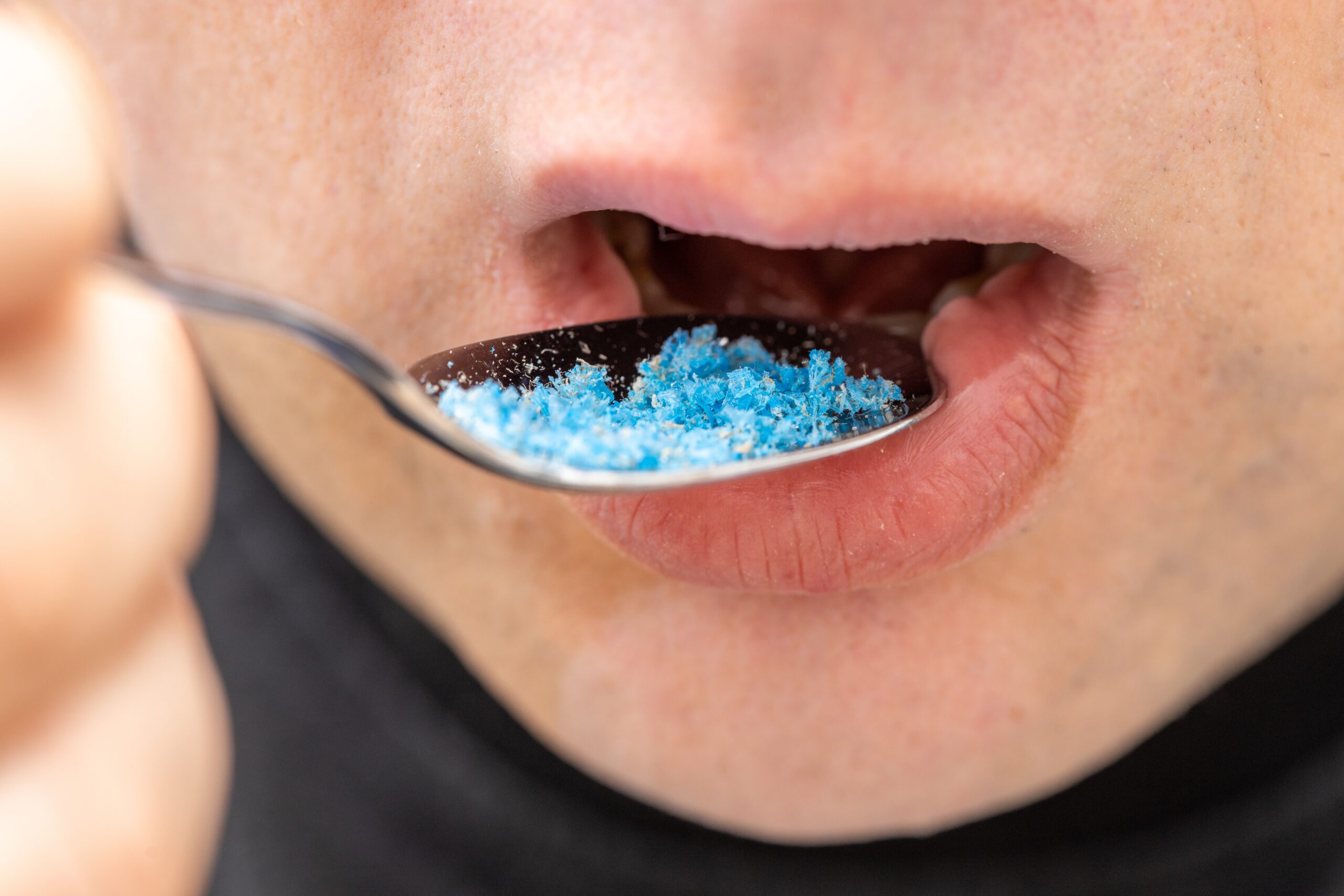
What Are Microplastics — And Why Does it Matter Right Now?
Microplastics are tiny plastic fibers that shed from synthetic clothing every time you wash or wear it. They’re no longer just a problem for the ocean — they’ve been found in human blood, brains, and placentas. A study published in the New England Journal of Medicine (2024) found that people with microplastics in their arteries had a 4.5x higher risk of heart attack or stroke.
Have you watched The Plastic Detox on Netflix? It’s not just a story about ocean pollution. It’s a wake-up call: plastic is building up inside our bodies — right now — and one of the biggest sources is the clothes we wear every day.
Microplastics Have Already Reached Your Brain, Lungs, and Blood
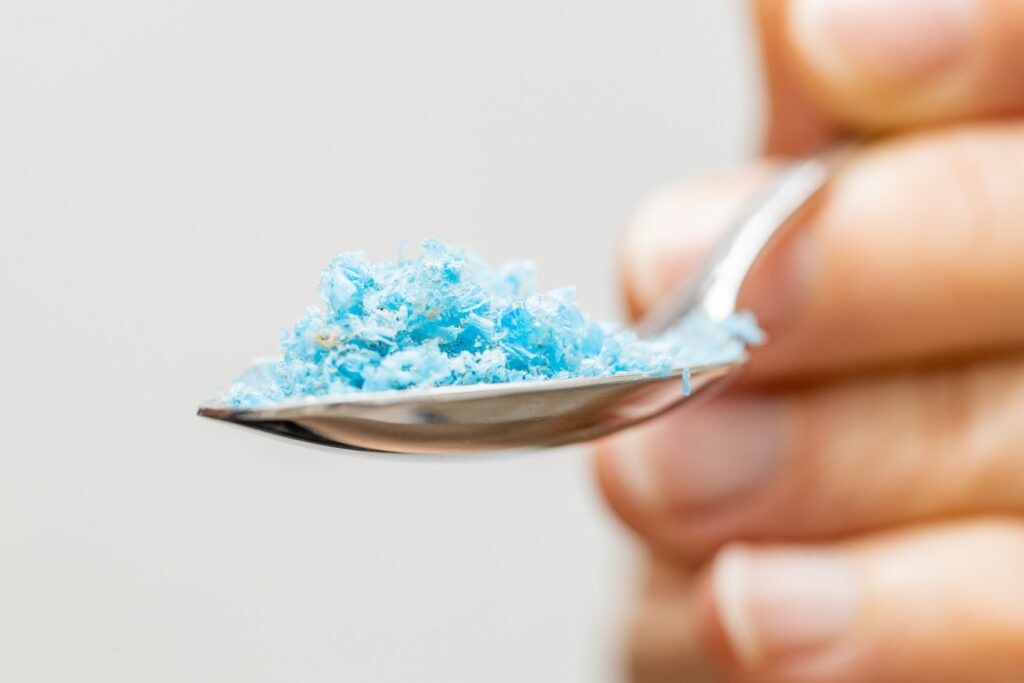
Scientists have now confirmed microplastics in some of the most important parts of the human body — blood, lungs, placentas, and brains. A study from the University of New Mexico, published in Nature Medicine (2025), found that the concentration of microplastics in human brains was higher than in the liver or kidneys — and had increased by 50% in just eight years.
Even more alarming: a study in the New England Journal of Medicine (2024) followed 257 patients and found that those who had microplastics lodged in their artery walls were 4.5 times more likely to suffer a heart attack, stroke, or death over a three-year period.
Every Time You Do Laundry, You’re Releasing Microplastics — Into the World, and Back Into Yourself
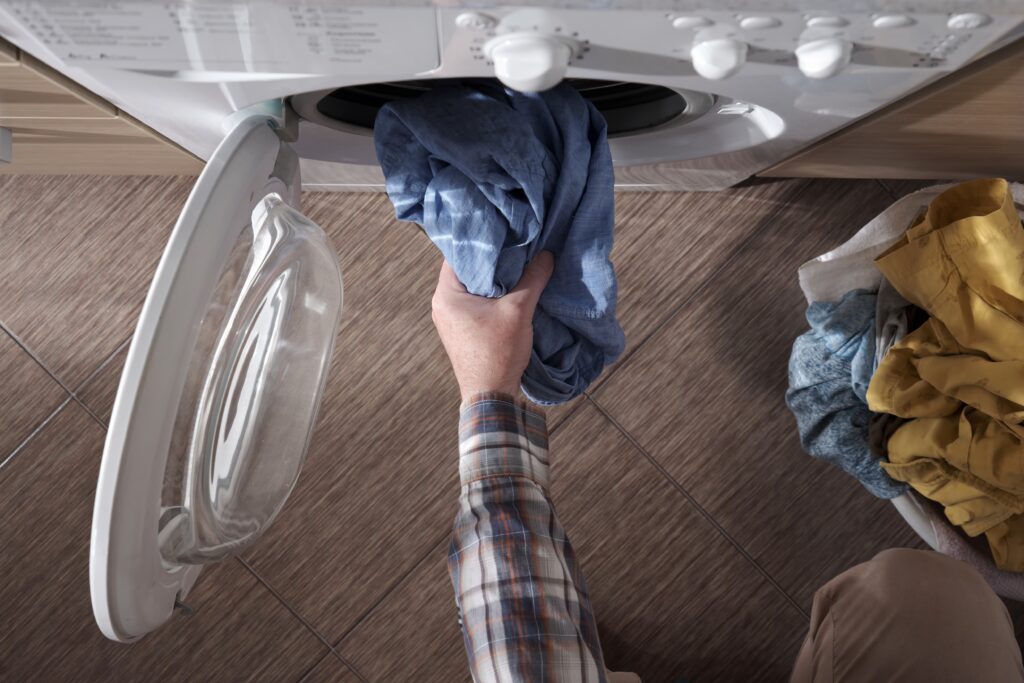
About 65% of the world’s clothing is made from synthetic materials like polyester and nylon — essentially, plastic turned into fabric. Every single wash cycle releases up to 18 million microscopic fibers into the water.
These fibers are 8 to 17 micrometers wide — roughly 4 to 9 times thinner than a single human hair. They’re invisible to the naked eye, and too small for standard water treatment plants to filter out. So they flow into rivers and oceans, work their way into seafood and drinking water, and eventually end up back inside us.
Across all sources, washing synthetic clothing accounts for an estimated 35% of all microplastics entering the ocean.
Is Recycled Clothing Actually Better? The Truth Brands Don’t Tell You
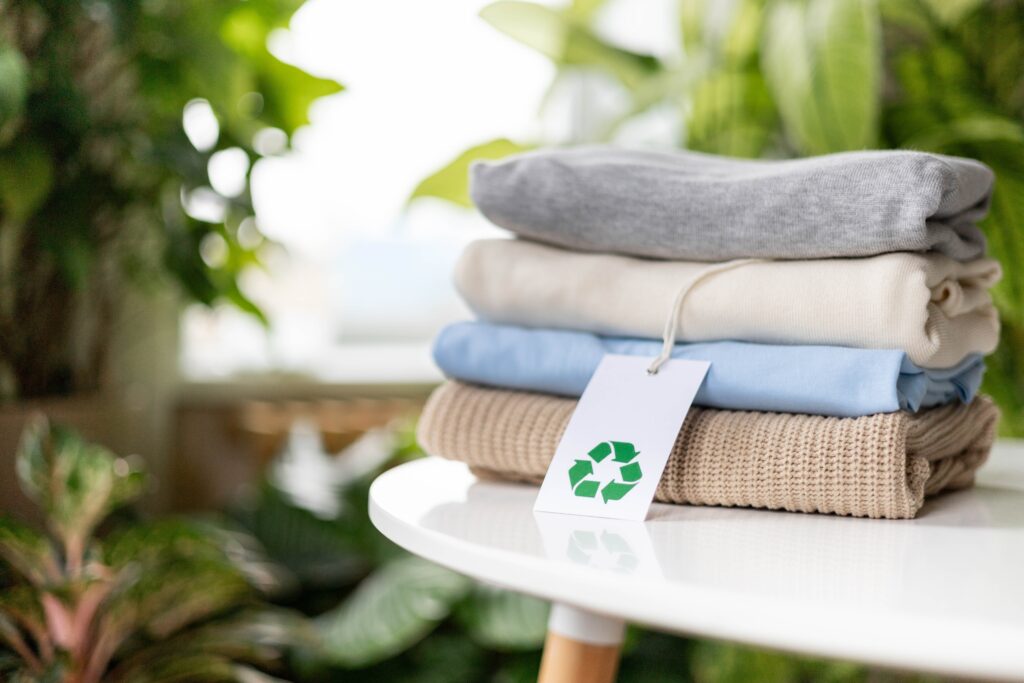
In the push for a Plastic Detox, the clothing industry is now standing at a crossroads. Manufacturers are choosing between options that each look like progress — but they address very different problems, and the distinction matters:
- Regular synthetic clothing (standard polyester or nylon) is cheap and long-lasting — but it sheds microplastics that never break down in nature. Some documentaries like The Plastic Detox also flag the presence of certain chemical additives that may interfere with the body’s hormonal system.
- Clothing made from recycled plastic bottles is a genuine step forward for reducing plastic waste — it keeps bottles out of landfills and reduces the need for new raw materials. But here’s what many brands don’t advertise: the microplastic problem doesn’t go away. The fibers still shed when you wash them. In fact, a December 2025 report by Changing Markets Foundation found that recycled polyester can release on average 55% more microplastic fibers than regular polyester. Solving bottle waste and solving microplastic shedding are two separate problems.
- Natural fibers like cotton or linen do biodegrade and are generally safer in that respect — but they’re not always practical for all types of clothing due to durability and performance requirements.
What If the Problem Could Be Solved Before the Fiber Even Sheds?

PERMA® has developed two separate fabric solutions — each designed to address a different part of this challenge independently:
PERMA® Recycled converts used PET plastic bottles into fabric, certified to the Global Recycled Standard (GRS). This is the right choice for brands focused on reducing plastic bottle waste.
PERMA® Sustainable Powered by CiCLO® takes a different approach. CiCLO® technology is built directly into the fiber during manufacturing — not applied as a surface coating. When fibers shed into environments where microorganisms are present (like soil or the ocean floor), they biodegrade naturally, rather than accumulating indefinitely. This addresses the microplastic buildup problem at its source.
FAQ
Have microplastics really been found inside the human body?
Yes. Research has confirmed microplastics in human blood, lungs, brains, and placentas. A 2025 study published in Nature Medicine found that levels in the brain had risen 50% over just eight years. Researchers are still studying the long-term health effects, but the presence itself is no longer in question.
What is the connection between microplastics and heart disease?
A study in the New England Journal of Medicine (2024) tracked 257 patients and found that those with microplastics present in the fatty buildup inside their arteries were 4.5 times more likely to experience a heart attack, stroke, or death within three years. The study shows a concerning link — though more research is needed to confirm direct cause and effect.
How does clothing expose us to microplastics?
Every time synthetic clothing is washed or worn, tiny fibers break off. These fibers are too small to be filtered out by most water treatment systems, so they end up in rivers, oceans, and eventually in our drinking water and food. A single wash cycle can release up to 18 million of these fibers.
Does clothing made from recycled plastic bottles reduce microplastics in our bodies?
Not directly. Recycled-bottle clothing does help reduce plastic bottle waste, but the fibers still shed during washing — just like regular synthetic fabric. A 2025 study found it may actually shed more. The real solution is fabric whose shed fibers can biodegrade naturally in the environment, so they don’t keep accumulating in ecosystems and, ultimately, in us.
References
- Marfella R, et al. Microplastics and Nanoplastics in Atheromas and Cardiovascular Events. N Engl J Med. 2024;390(10):900-910. doi:10.1056/NEJMoa2309822
- Nihart AJ, Campen MJ, et al. Bioaccumulation of microplastics in decedent human brains. Nature Medicine. 2025;31:1114-1119. doi:10.1038/s41591-024-03453-1
- Leslie HA, et al. Discovery and quantification of plastic particle pollution in human blood. Environment International. 2022;163:107199. doi:10.1016/j.envint.2022.107199
- Ragusa A, et al. Plasticenta: First evidence of microplastics in human placenta. Environment International. 2021;146:106274. doi:10.1016/j.envint.2020.106274
- Changing Markets Foundation & Microplastic Research Group, Çukurova University. Spinning Greenwash. December 2025. changingmarkets.org