Quick Answer
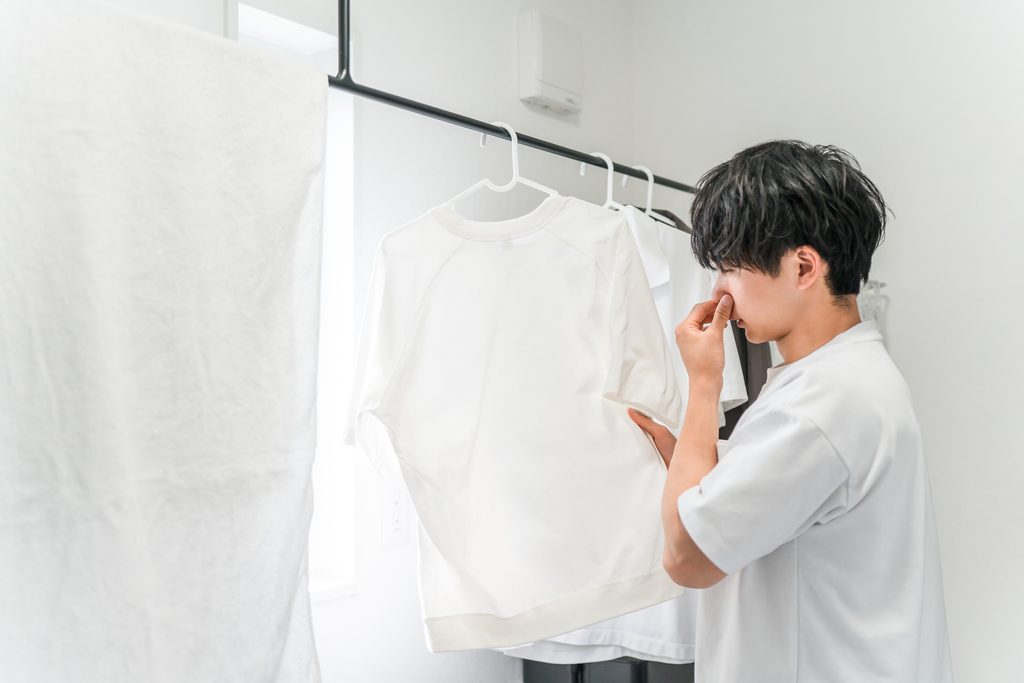
Washed clothes still smell musty? The problem isn’t only cleanliness. It’s the moisture trapped in the fabric. Clothes that dry slowly in humid air give bacteria and mold the conditions to grow fast, and that is where the musty smell comes from. So rainy season laundry care comes down to a few simple rules: get clothes dry quickly, never leave wet clothes sitting, keep your washing machine clean, and put clothes away only when they are completely dry. Fabrics that help reduce bacteria are just an extra, not the main fix. This guide reveals 5 causes of musty clothes and 7 ways to deal with them that work in both houses and condos.
Key Takeaways
- Musty smells come from moisture trapped in the fabric, and bacteria and mold grow fast in damp cloth.
- Clean clothes can still turn musty if they dry slowly. A 2025 study found that bacteria on clothes increased when they dried in a very humid room and decreased when they dried in a drier room.
- The faster clothes dry, the less likely they are to turn musty: spin them well, hang them with space between pieces, and use a fan or dehumidifier.
- Room humidity should stay below 60%, and ideally between 30 and 50% (check it with a humidity meter), according to the US EPA, the US environmental agency.
- Fabrics that help reduce bacteria, such as those using PERMA antibac technology, are 1 of the 7 ways, but clothes still need to dry completely, as always.
5 Causes of Musty Clothes in the Rainy Season: Even Clean Clothes Can Turn Musty
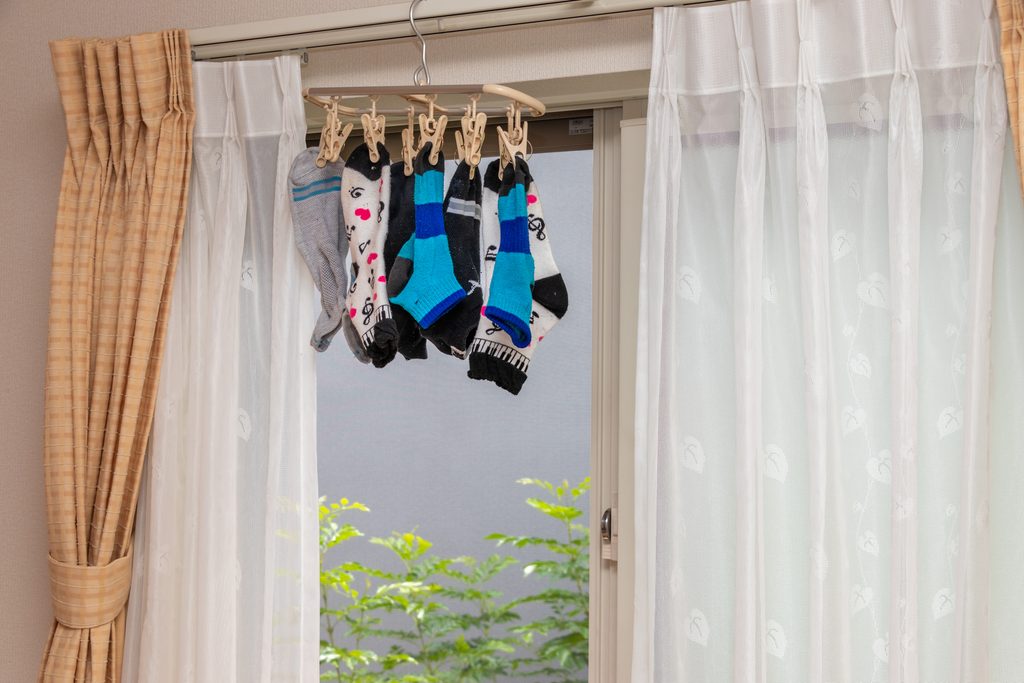
Musty smells come from moisture trapped in the fabric. When clothes stay damp for long, bacteria and mold grow fast and give off odors, so even washed clothes can smell musty. Five things keep fabric damp.
Cause 1: Clothes that dry slowly, especially in humid air
A 2025 study in BMC Biology from Ghent University in Belgium tested polyester T-shirts worn by 31 volunteers. The researchers washed the shirts, then dried them for another 72 hours. In a room at 80% humidity (31.8°C), the bacteria on the shirts increased and the smell got worse. In a room at 50% humidity (24.5°C), the bacteria decreased and the smell got milder. The research team says they cannot yet tell whether the effect came from temperature, humidity, or both together.
Cause 2: Leaving wet clothes in the laundry basket
Thailand’s Department of Health advises hanging wet clothes to dry before putting them in the basket, or washing them right away, and not leaving them for long. The department also warns that if wet clothes are left until mold grows on them and you then wear them, you may risk fungal skin infections such as ringworm. If your skin itches after wearing them, see a dermatologist.
Cause 3: A washing machine with built-up germs
The same study found that after a cold-water wash at about 30°C, some odor compounds went down, but the bacteria detected on the shirts went up. The researchers estimate that about 23 to 25% of the bacteria on shirts after washing came from the washing machine.
Cause 4: Putting away clothes that are not completely dry
The Department of Health says that clothes that are not fully dry and are then hung together in a wardrobe can develop a musty smell and mold.
Cause 5: Some fabrics get musty more easily
Synthetic fabrics such as polyester tend to have more odor problems than cotton and wool, because they hold on to more sweat residue and odor-causing compounds, according to research reviewed in the 2025 study. If your sports shirts or workout clothes are polyester, give them extra care. Thick fabrics such as bath towels, jeans, and hoodies absorb a lot of water and dry more slowly than thin fabrics, so they stay damp longer.
For readers who want more detail
A 2012 study from Japan in Applied and Environmental Microbiology found that a bacterium called Moraxella osloensis is a major cause of the damp, dirty-rag smell in washed laundry. It also tolerates drying and UV light well, so it can survive on washed clothes.
7 Rainy Season Laundry Care Tips to Keep Clothes From Turning Musty, in Houses and Condos
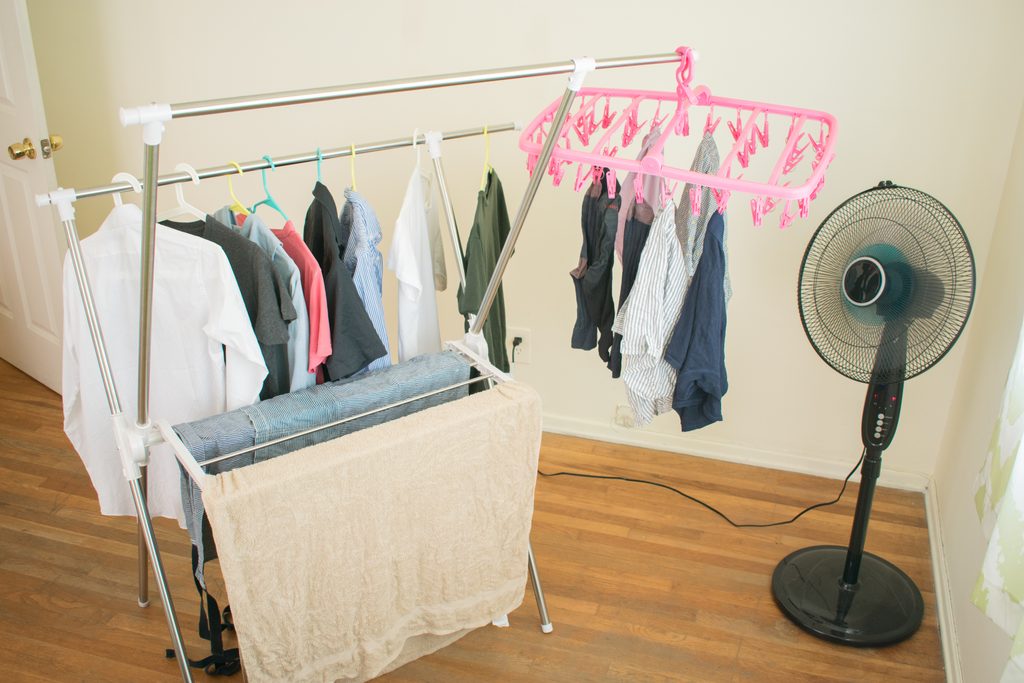
These 7 ways fix the 5 causes above. Follow them one at a time. The table below shows which cause each way fixes.
Way 1: Spin out as much water as possible (fixes Cause 1)
The faster clothes dry, the less time bacteria have to grow. Choose a spin setting that matches the care label. Thick fabrics can take a higher spin speed if the label allows it, but delicate fabrics must not be spun hard.
Way 2: Hang clothes indoors where air can pass, with space between pieces (fixes Cause 1)
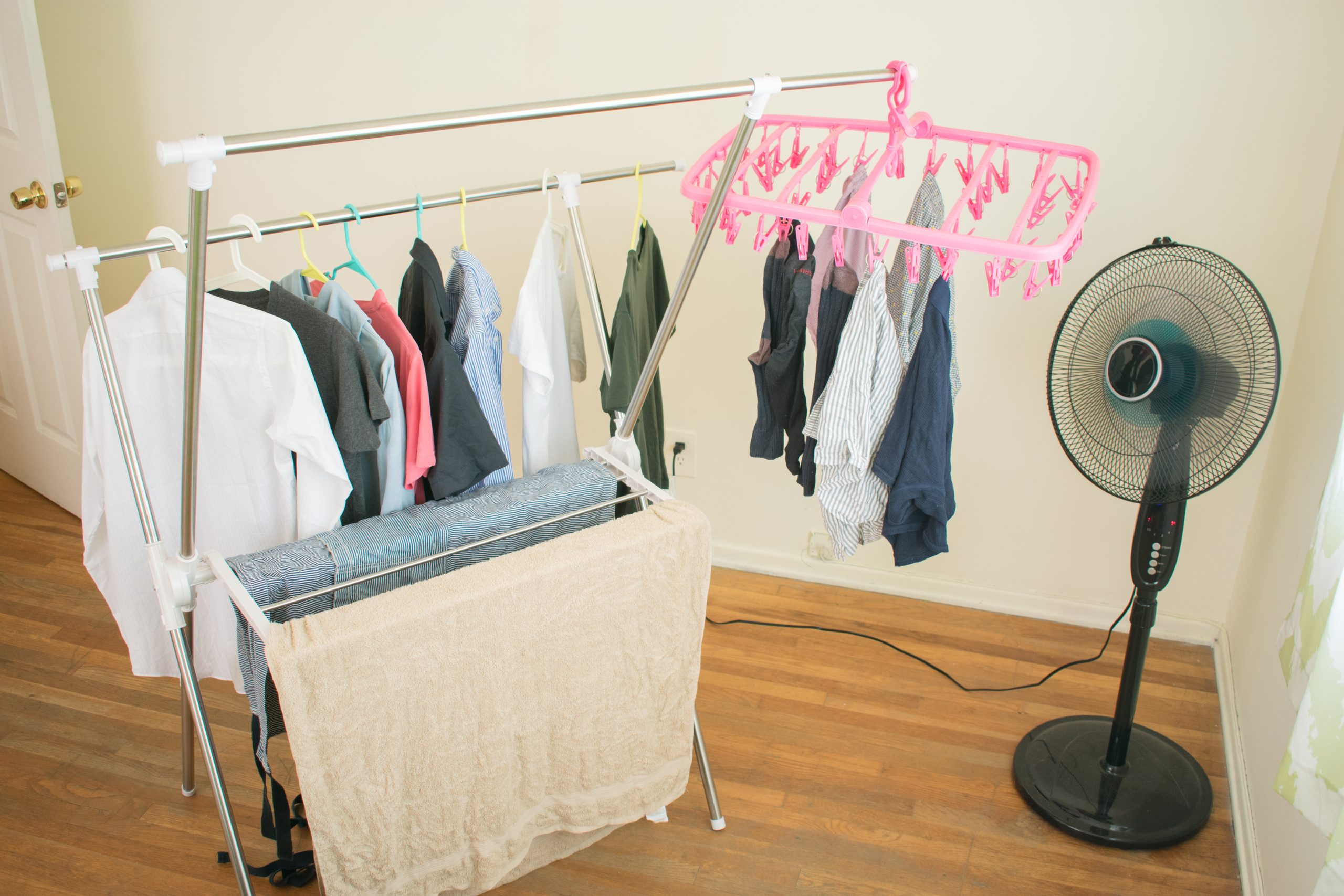
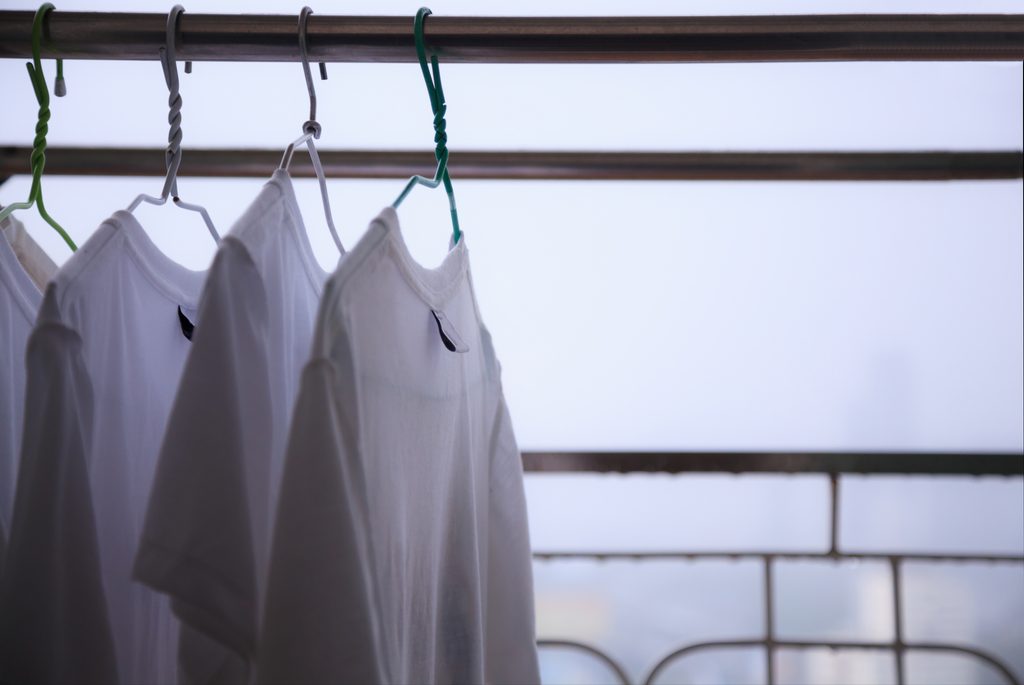
Dry clothes indoors near a window or on a balcony where air can circulate. Leave space between pieces and do not overlap them. If your rack is too small, dry clothes in batches instead of cramming them together.
Way 3: When it rains and there is no sun, use a fan and reduce room humidity (fixes Cause 1)
A fan helps carry moisture away from clothes. If the room is very humid or there is no sun for days, a dehumidifier can help. As for tumble dryers, research reviewed in BMC Biology says high-temperature tumble drying is the most effective way to reduce germs. If your dryer is the vented type, the EPA advises venting the moisture outdoors.
So what should room humidity be? The EPA advises below 60%, and ideally between 30 and 50%. A humidity meter (hygrometer) lets you check. When the air outside is cool and dry, opening windows can lower humidity. But when the air outside is warm and humid, like the rainy season in Thailand, the EPA advises using a dehumidifier instead.
Way 4: Do not leave wet clothes in the laundry basket (fixes Cause 2)
Rain-soaked or sweaty clothes should be hung up to dry before going in the basket, or washed right away, as the Department of Health advises. Used towels are the same, and they should hang until completely dry before you use them again.
Way 5: Wash rainy season laundry the right way, and take care of the washing machine too (fixes Cause 3)
- Machine care: In the 2025 study, the researchers took samples from the rubber seal around the washing machine door, because it stays damp and collects detergent residue and dirt. Another 2025 study checked 10 washing machines and found that front-loaders had clearly more germs than top-loaders. Clean the drum and the rubber seal following the manufacturer’s manual, and leave the door open after use so the machine can dry.
- Choose the right wash: Research reviewed in BMC Biology says that washing at 30°C does not reduce germs on clothes. You need to wash at 60°C or higher, or use a detergent with oxygen or chlorine bleach. But many modern fabrics can’t take high heat, so always check the care label first.
What if clothes already smell musty? The Department of Health has suggested washing clothes that smell musty or have mold as usual, then boiling them in water for 15 minutes to 1 hour. This only works for heat-tolerant fabrics. If the fabric can’t take heat, wash it again and dry it right away.
Way 6: Put clothes away only when they are completely dry (fixes Cause 4)
If you want clothes to stay fresh, do not put clothes that are not completely dry into the wardrobe, as the Department of Health warns above. If clothes have only just dried, let them air a little longer, and leave some room in the wardrobe so air can pass. Do not pack clothes tightly.
Way 7: Choose fabrics that are less likely to turn musty (fixes Cause 5)
Besides care habits, your choice of fabric helps too. First, choose fabrics that absorb water well and dry quickly, because the faster clothes dry, the less time bacteria and mold have to grow. Second, consider fabrics made with bacteria-reducing technology. PERMA antibac fiber technology, for example, helps reduce bacterial buildup, a major cause of unpleasant odors, and is used in everyday textiles such as towels, bed linens, and pillowcases.
But fabric like this is only 1 of the 7 ways. Whichever fabric you choose, you still need to spin, dry, and store clothes until they are completely dry. That is the most important foundation.
| Way | Fixes cause | Helps with | Good to know |
|---|---|---|---|
| 1. Spin well | 1 | Removes water before drying | Check the care label first; delicate fabrics can’t take a hard spin |
| 2. Hang where air can pass, with space between pieces | 1 | Lets air reach every piece | Needs space; dry in batches if your rack is small |
| 3. Fan, dehumidifier, dryer | 1 | Cuts humidity fast on days with no sun | Needs equipment and electricity; best for very humid rooms |
| 4. Do not leave wet clothes sitting | 2 | Stops musty smells at the source | Needs somewhere to hang clothes before the basket |
| 5. Wash the right way and clean the machine | 3 | Reduces germs built up in the machine | High-temperature washing suits only heat-tolerant fabrics |
| 6. Put away only when fully dry | 4 | Keeps wardrobes from turning musty | Wait until clothes are truly dry before folding |
| 7. Fabrics that reduce bacteria, such as PERMA antibac | 5 | Reduces bacterial buildup that causes odor | Cannot replace drying clothes |
How Do You Wash Clothes So They Smell Fresh, and Why Does the Scent Fade So Fast in the Rainy Season?
A fresh scent that lasts comes from clothes that are clean and completely dry, not from products added on top. According to the research above, if the bacteria left in the fabric grow while clothes dry in humid air, the musty smell can come back, and the scent does not last. Try this:
- Wash clothes clean, do not overload the machine, and use detergent as the label directs.
- Spin well and dry clothes completely.
- Only then add fragrance, in the amount on the label.
- Store clothes where air can circulate.
Summary
If you want clothes to stay fresh all through the rainy season, deal with moisture first: spin clothes well, hang them with space between pieces, use a fan or dehumidifier, never leave wet clothes sitting, keep the washing machine clean, and put clothes away only when they are completely dry. Once those basics are in place, add an extra helper such as fabrics that reduce bacteria. Your clothes will be less likely to turn musty and will smell fresh and clean, even after days of rain with no sun.
FAQ
Why do my clothes still smell musty after washing?
The problem isn’t only cleanliness. It’s the moisture trapped in the fabric. If clothes dry slowly, don’t dry completely, are hung up cramped together, or are washed in a machine with built-up residue, they can smell musty even after washing. Fix it by spinning clothes well, hanging them with space between pieces, and keeping your washing machine clean.
How do I dry clothes quickly indoors in a house or condo when it rains and there is no sun?
Spin out as much water as possible, hang clothes where air can pass, leave space between pieces, and use a fan. If the room is very humid or there is no sun for days, a dehumidifier or dryer can help. The EPA advises keeping room humidity below 60%, and ideally between 30 and 50%.
How do I wash clothes so they smell fresh in the rainy season?
Start by making sure clothes are clean and completely dry, because the scent lasts longer when clothes don’t smell musty. Use detergent and fabric softener as the label directs, without adding extra, and store clothes where air can circulate.
Can fabrics made with antibac technology help keep clothes from turning musty?
Bacteria-reducing technology such as PERMA antibac helps reduce the buildup of bacteria, a major cause of unpleasant odors, so it can be a useful extra. It does not replace drying clothes. You still need to spin, dry, and store clothes until they are completely dry.
References
- Díez López C, Van Herreweghen F, De Pessemier B, et al., Callewaert C. (2025). Unravelling the hidden side of laundry: malodour, microbiome and pathogenome. BMC Biology, 23:40. DOI 10.1186/s12915-025-02147-5. https://link.springer.com/article/10.1186/s12915-025-02147-5
- Whitehead K, Eppinger J, Srinivasan V, Ugalde JA. (2025). Microbial cross contamination in household laundering and microbial ecology of household washing machines. Frontiers in Microbiology, 16:1667606. DOI 10.3389/fmicb.2025.1667606
- Kubota H, Mitani A, Niwano Y, Takeuchi K, Tanaka A, Yamaguchi N, Kawamura Y, Hitomi J. (2012). Moraxella species are primarily responsible for generating malodor in laundry. Applied and Environmental Microbiology, 78(9):3317-3324. DOI 10.1128/aem.07816-11. https://journals.asm.org/doi/full/10.1128/aem.07816-11
- US EPA. Mold Remediation in Schools and Commercial Buildings Guide, Chapter 2: Mold Prevention (updated September 8, 2026). https://www.epa.gov/mold/mold-remediation-schools-and-commercial-buildings-guide-chapter-2
- Department of Health, Ministry of Public Health, Thailand (May 2022). Department of Health concerned about the rainy season: clothes that will not dry smell musty and risk mold. Anamai Media. [In Thai, title translated.] https://multimedia.anamai.moph.go.th/news/280565/
- Department of Health, Ministry of Public Health, Thailand (date per page information: October 2020). Department of Health advises: when it rains often, clean rain-soaked clothes and shoes the right way to reduce musty smell. Anamai Media. [In Thai, title translated.] https://multimedia.anamai.moph.go.th/news/121063/
Last updated: October 7, 2026 | Published by PERMA Corporation